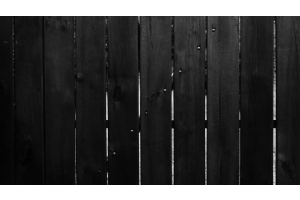
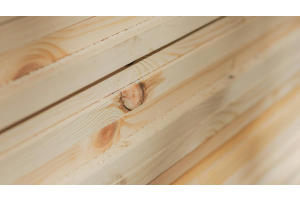
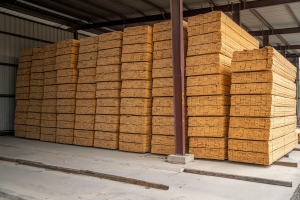
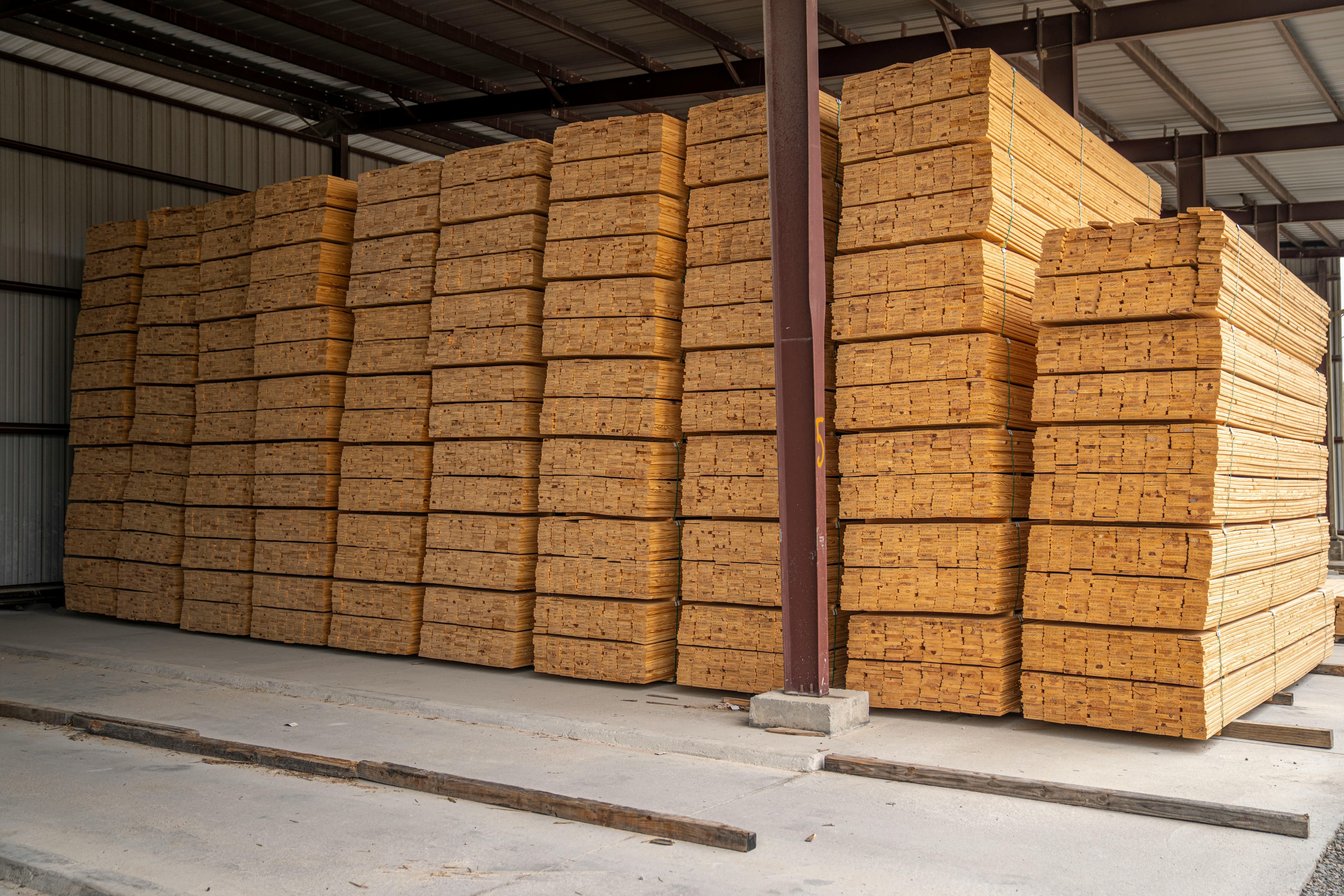
Scotland's weather conditions can be adverse at the best of times, with both heavy wind and rainfall, which never really lets timber dry out throughout the autumn and winter months.
This is why picking the right wood for fencing matters, ensuring a long fence lifespan and preventing the need for replacement within a couple of years.
Looking to discover the best options for fence flats and boards? Our guide covers the best timber options for slatted fences and fence boards.
Best Wood for Slatted Fences in Scotland
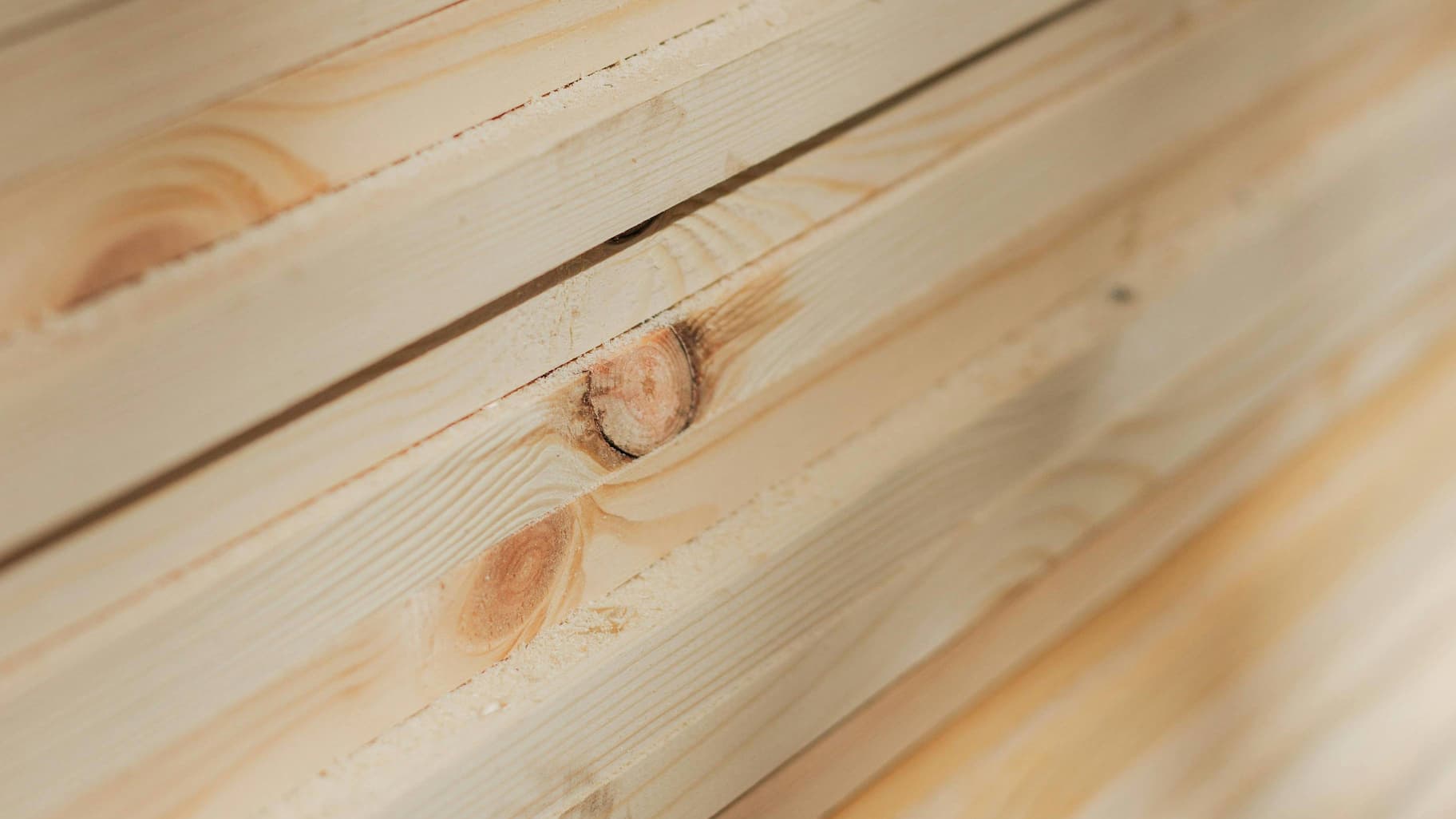
The two things that really determine timber performance as a fence board in Scotland are the ability to shed moisture and natural resistance to rot.
Hardwoods do both brilliantly, but are on the more expensive end. A treated softwood closes the gap and is ultimately what you’ll find in most Scottish gardens.
The two things that determine how well a timber performs as a fence board in Scotland are its ability to shed moisture and its natural resistance to rot once moisture inevitably
In these parts, the weather can be harsh during the colder months, and that means you need landscaping materials that stand up to the elements.
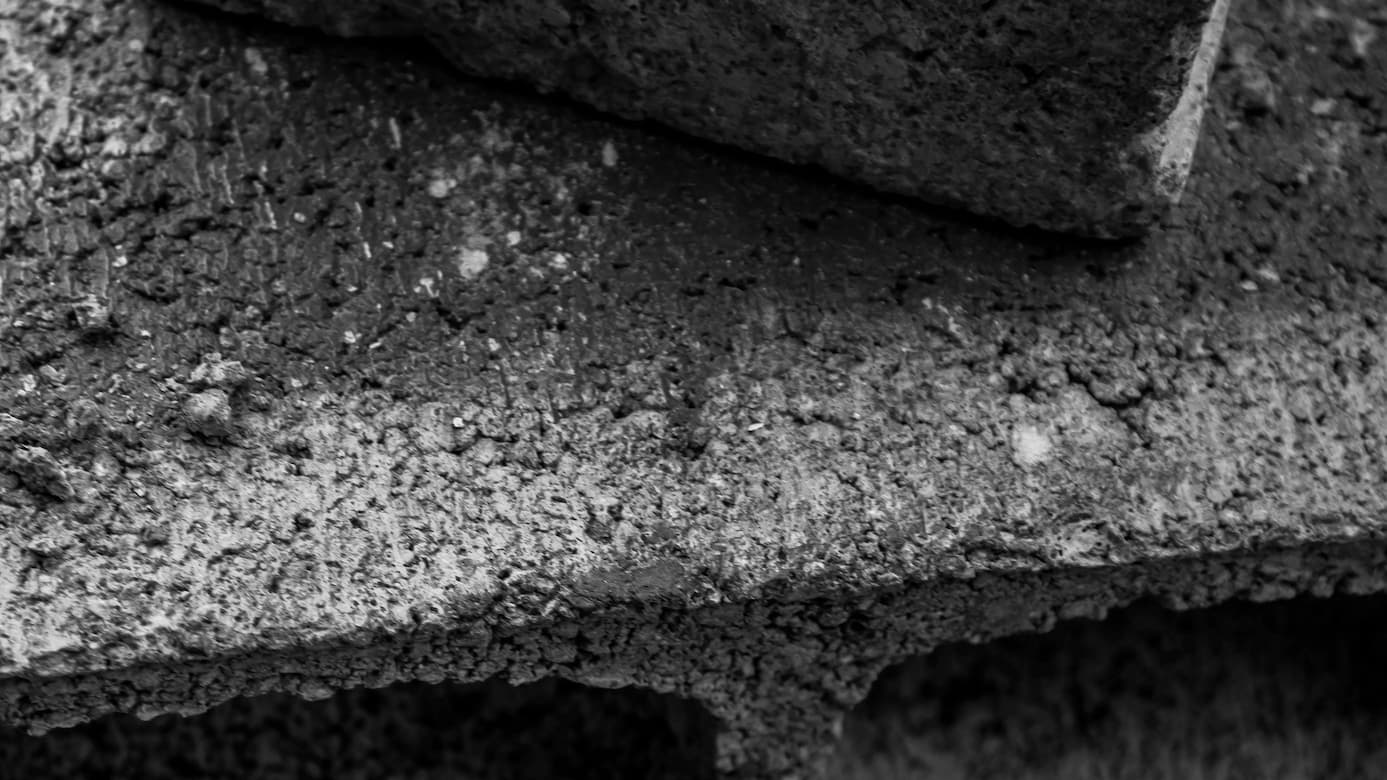
What we’re talking about here specifically are dense concrete blocks, which can be really handy when planning a retaining wall, garden boundary, outbuilding, or foundation. They are relied on by landscapers across Scotland, and for good reason.
Why Dense Concrete Blocks?
They may not be glamorous, but dense concrete blocks function brilliantly, made from heavy cement units, sand, and aggregates.
When you’re working in Scottish climates, the lower water absorption rate is vital, and unlike your lightweight or aerated blocks, these resist moisture, which limits the chance of frost damage when temperatures drop.
They're also exceptionally strong under load, making them the go-to for foundations, retaining walls, and any structure that needs to handle real pressure. They provide good sound insulation and, importantly, they're fire resistant. For agricultural
It’s very easy to look at regularised and carcassing timber at a glance and not see much of a difference.
However, there is a reason they are categorised as two different forms of timber. Many wonder which is best for their requirements, and the answer comes down to an array of factors, which we’ve covered in more depth below.
What Is Carcassing Timber?
Carcassing timber is sawn structural softwood, most commonly European Spruce or Scots Pine. It's cut from the log and sold with relatively little processing beyond basic drying. The result is timber that's strong and fit for structural use but not particularly uniform in size. The rough edges, slight bowing, and variation in width and depth are all par for the course.
It's the workhorse of the timber world. You'll find carcassing timber used in roof joists, floor joists, studwork, and general structural framing. If it's going to be hidden behind plasterboard or above a ceiling, carcassing timber is often the sensible, affordable choice.
Whether you're laying a new lawn, raising beds, or levelling a garden, getting the right topsoil delivered to your door makes all the difference.
Unsure where to start? Here's everything you need to know about buying topsoil in Glasgow and Edinburgh, covering everything from quality to quantities to delivery.
What Is Bulk Bag Topsoil?
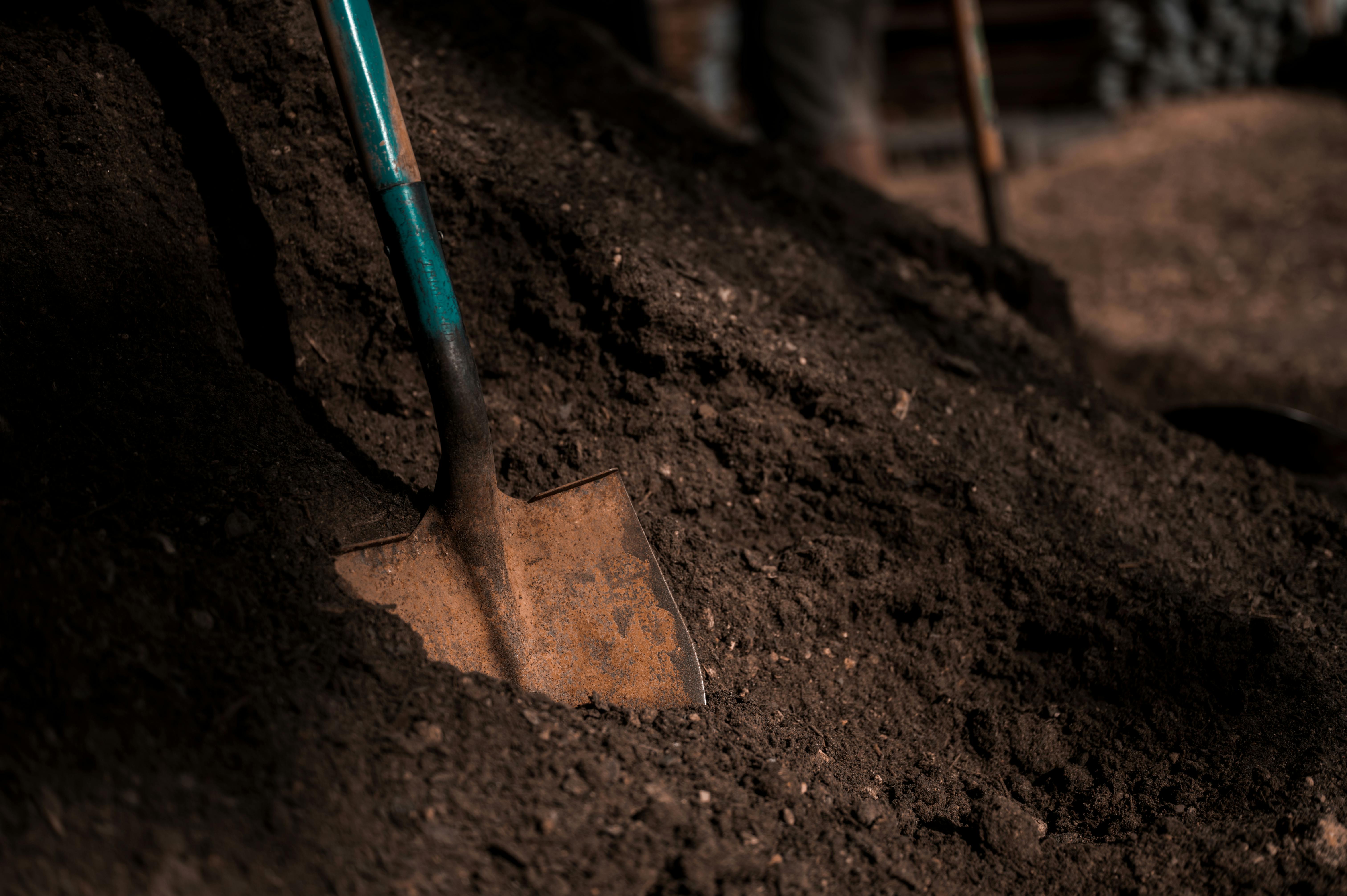
Finding reliable topsoil that is also cost-effective is the ideal scenario, and this is where bulk bags come in. If your project is bigger than a window box, then jumbo bags are the best approach.
Each top soil bulk bag holds roughly 0.7 to 0.75m³ of material and this is enough to cover around 7 to 8m² at a 10cm depth. We deliver by lorry and offload directly onto your driveway or site, ideal for homeowners and tradespeople alike.
What to Look for in Quality Topsoil
Not all topsoil is equal. When buying topsoil in Glasgow or Edinburgh, look for:
Screened topsoil that passed through a mesh to remove stones, roots, and debris. Essential for lawns and borders.
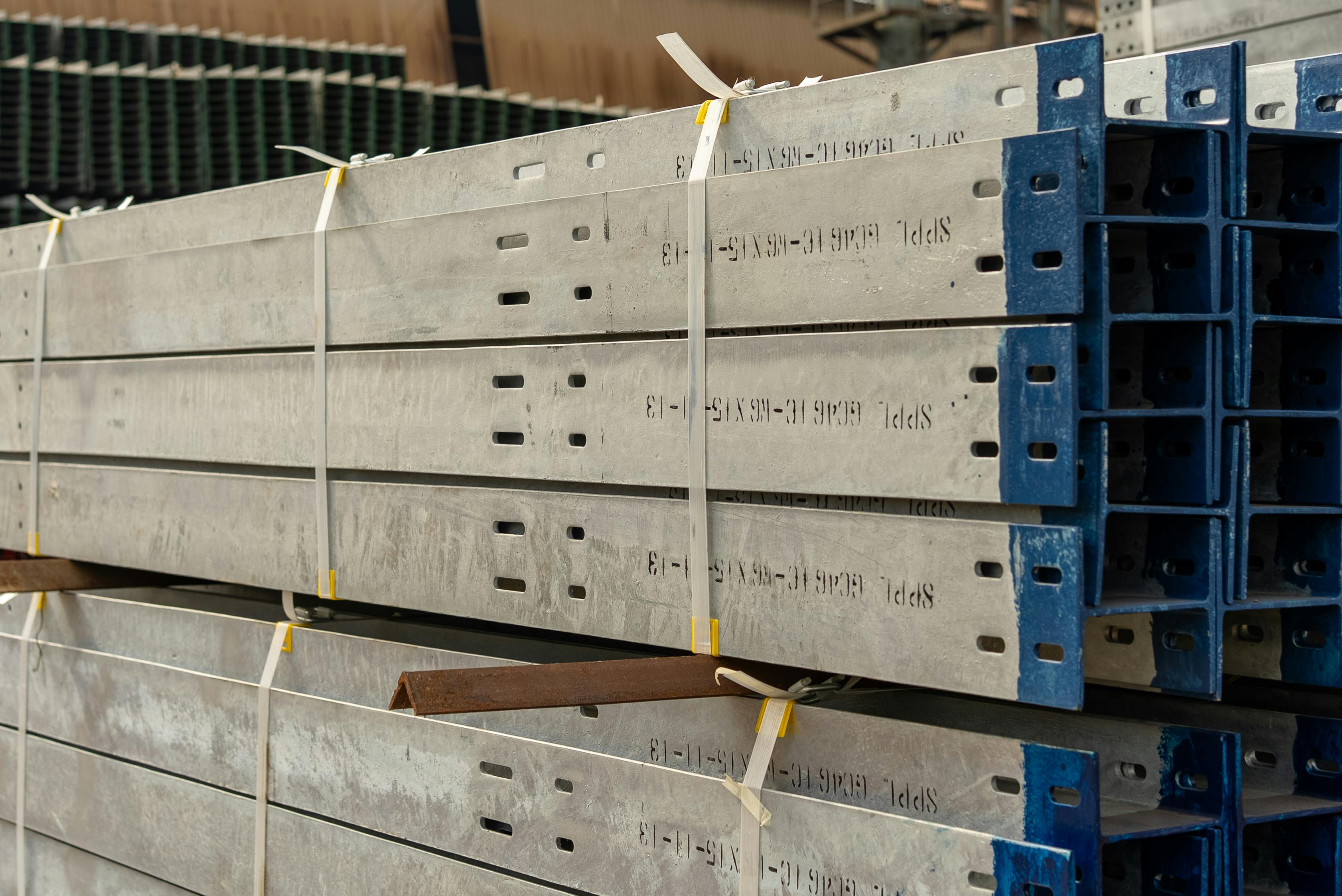
A T-type lintel is a galvanised steel profile shaped like an inverted T, specifically engineered to span openings in cavity walls and support both the inner and outer leaf simultaneously.
Used in residential and commercial new-build projects across the UK, T-type lintels are manufactured by brands such as Catnic, IG, and Birtley.
For external cavity wall openings needing a single component to carry load across both wall leaves, they are often chosen as the best option.
Key Variants of T-Type Lintels
Not all T-type lintels are the same, so it’s good to get an understanding of the variants to ensure you find the right product:
Standard T-Type
The most common option for residential cavity walls is a 50 to 75mm cavity. The horizontal flange supports the outer leaf (typically facing brick) while the vertical web carries the inner blockwork. Suitable for standard cavity walls up to around 100mm inner leaf thickness.
Thermally Broken T-Type
Designed for Part L compliance, these lintels are made
UC3 treated timber is wood that has been pressure-treated to withstand outdoor conditions above ground. The "UC" stands for Use Class, and this is a European grading system that defines how much protection timber needs based on where it's used. UC3 is the minimum treatment standard for any external application, including decking, fencing, cladding, and outdoor joinery.
Here at the Builders Supply, we know that understanding treated timber classes can be complex if you are new to them. That’s why we’ve broken them down for you.
The Use Class System Explained
The Use Class (UC) system runs from UC1 to UC5 and tells you exactly how much preservative treatment timber needs for the environment it’s being used in. Here's a full breakdown:
If you've ever started a driveway, patio or hardcore base project in Scotland, you may have been told you need Type 1 or Type 2 aggregate. But what actually makes them different, and which one do you need?
Getting the right aggregate is vital. Using the wrong type could lead to drainage problems, an unstable base, or a surface that shifts after the first hard frost. Around the central belt, where the ground holds water and there are plenty of freeze thaw cycles, picking the right material can save you a lot of hassle.
Here's what these aggregates are and when you should use each one.
What Are the Differences Between Type 1 and Type 2 Aggregate?
The main difference is size and how well they compact.
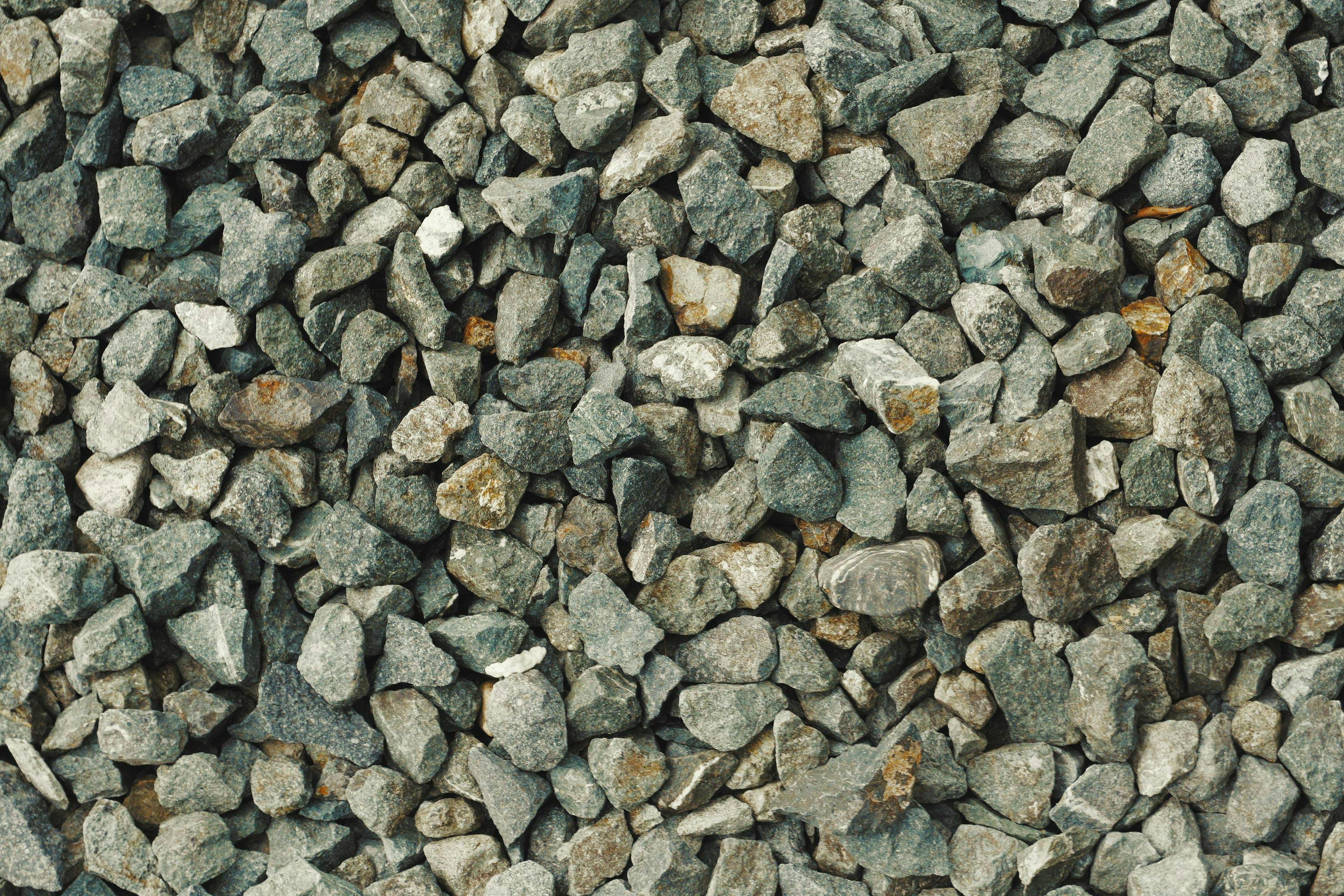
Type 1 is crushed limestone or granite graded to contain stones from dust right up to 40mm. When you compact it, the smaller bits fill the gaps between the larger stones and create a dense, stable layer that locks together.
Type 2 is less refined. It's usually crushed concrete, brick or stone
For homes in cold climates, the most effective insulation solutions combine strong thermal performance with good airtightness to minimise heat loss in cold, exposed conditions. In most Scottish builds and renovations, this typically means mineral wool loft insulation, PIR rigid insulation boards and cavity wall insulation systems. These products are widely used to help meet Scottish Building Standards and achieve the required U-values for roofs, walls and floors.
In this guide, we explore the best insulation options in more detail, including recommended product types, thickness guidance and practical advice from a leading builders merchant in Scotland.
What is the Best Insulation for Cold Weather?
In cold UK weather, the best insulation is one that combines strong thermal resistance with reliable moisture performance. In Scotland and other northern regions, insulation must reduce heat loss while standing up to damp conditions, wind-driven rain and temperature fluctuations throughout the
You may feel like you have a big task ahead of you when it comes to renovating a floor, particularly if the surface is uneven or damaged.
Whether you’re preparing to lay tiles, laminate, vinyl, or flooring boards, a self levelling compound often makes the job much easier!
Ready to learn how to use self levelling compound? Continue reading.
How to Use Self Levelling Compound Over Tiles
Provided the tiles are firmly bonded and stable, it is possible to use self levelling compound over any existing tiles. However, cracked and loose tiles need to be repaired or replaced beforehand, otherwise the compound will fail to adhere properly.
Once you have secured the tile surface, we recommend using a primer to improve the bonding. Pour the levelling compound evenly and take care, especially around grout lines.
If deep grout lines are present, a good idea is to fill them slightly before pouring. That way, you will be able to achieve a uniform finish.
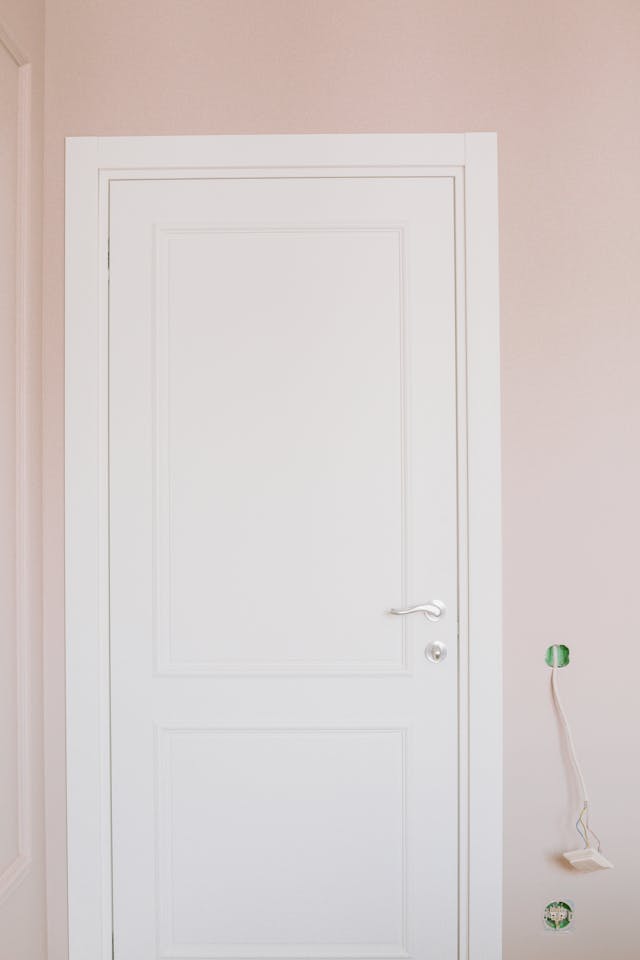
Can a beginner hang a door? It’s a common question, particularly amongst new homeowners, and if you’ve never hung a door before, you may not feel confident that you can complete the job properly.
However, if you implement the right techniques and use proper tools, it can be a straightforward DIY project.
Whether you are replacing an old door or installing a new one, getting a gauge of the recommended steps from the Builders Supply Company will help you complete this application successfully.
Ready to learn how to hang a door? Continue reading as we guide you through the necessary steps.
How to Hang a Door in an Existing Frame
Replacing a door doesn’t always mean tearing out the frame, hanging a new door in an existing frame can be quick and cost effective. Here’s a step-by-step guide:
Remove your old door and hardware, unscrewing the hinges before taking the old door out. Keep the screws if they are in good condition.
Check the existing door frame for warping, cracks, or uneven surfaces