
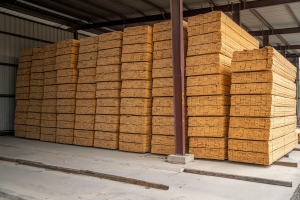
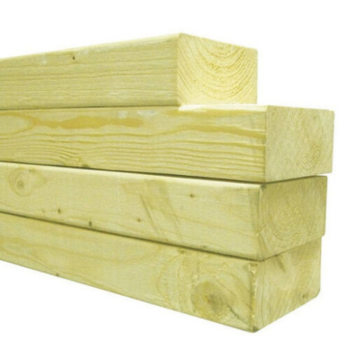
CLS timber is a softwood timber that is often used in construction, particularly for internal framing and studwork.
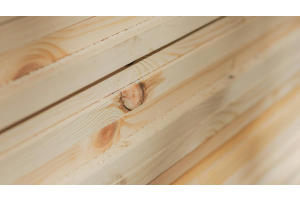
Typically, CLS is made using kiln dried pine, fir, or spruce. It is planed smooth on each side with rounded edging, which makes it easy to handle.
It is suitable for a range of structural applications and is available in strength grades such as C16 and C24.
CLS timber is popular in commercial and domestic construction due to its durability, ease of use, and versatility.
What is the Difference Between CLS and Regular Timber?
The primary differences between CLS and standard timber relate to grading, strength, and purpose.
CLS timber is carefully graded and kiln dried to provide stiffness and consistent strength, which makes it reliable for load bearing construction projects, including framing.
Regular timber is a more general purpose wood that isn’t necessarily graded or standardised. There is an array of different timber types, so when we say standard timber, its moisture content, strength, and durability can all vary, whereas CLS is a specific type of timber.
Is CLS Timber Treated?
Very often, CLS timber is pressure treated, which protects it from insects and fungal decay. This is important if the timber is being used in areas prone to dampness or external walls.
It is typically treated with preservatives, which protect it from fungi and insects that can destroy wood that isn’t.
With that in mind, some CLS timber is untreated and is usually used for internal applications where there is little to no moisture exposure. However, untreated timber will be more susceptible to rot, so make sure to apply wood preservative to make it more durable and shielded from exposure to moisture.
What Does CLS Stand For?
CLS stands for Canadian Lumber Standard timber.
What is CLS Timber Used For?
CLS timber is often used for joists that support floorboards above. They have consistent dimensions that enable uniform spacing, helping the even distribution of weight across floor spaces.
It is suitable for lower and upper floors and is compatible with various flooring types, from wooden floorboards to laminate flooring to engineered flooring.
Reliable and versatile, it is used for stud walls, roof battens, and other kinds of structural framing.
Is CLS Waterproof?
No, CLS timber is not waterproof. CLS timber is typically pressure treated and kiln dried, but it isn’t technically waterproof. Its pressure treatment does offer a certain amount of protection from decay and insect damage, but this doesn’t mean CLS is waterproof.
If you plan to use CLS timber for exterior applications, ensure it is treated with preservatives, sealed with water repellent treatment, and properly installed without direct contact with soil.
Can You Paint CLS Timber?
Yes, you can paint CLS timber.
Steps:
Lightly sand the timber and clean away dust or debris.
Apply a wood primer for solid adhesion.
Apply paint in two or three thin, even coats and let each coat dry fully before the next.
Sand lightly between coats if necessary, and apply a final protective layer for durability. This is particularly important if you’re using CLS timber outdoors.
What is the Lifespan of CLS Timber?
When properly sealed and maintained, CLS timber can last for 25 years in both interior and exterior applications.
In Summary
CLS timber is a very effective timber that can be used for multiple construction projects, both residential and commercial. With consistent dimensions, graded strength, and smooth finishes, it is a reliable timber with a long lifespan. While not waterproof, it can be sealed and treated to provide resistance in damp areas and can be painted for a polished finish. You can find CLS timber here at The Builders Supply, with tailored advice and premium stock. Please contact us if you have any further questions.