
If you've ever started a driveway, patio or hardcore base project in Scotland, you may have been told you need Type 1 or Type 2 aggregate. But what actually makes them different, and which one do you need?
Getting the right aggregate is vital. Using the wrong type could lead to drainage problems, an unstable base, or a surface that shifts after the first hard frost. Around the central belt, where the ground holds water and there are plenty of freeze thaw cycles, picking the right material can save you a lot of hassle.
Here's what these aggregates are and when you should use each one.
What Are the Differences Between Type 1 and Type 2 Aggregate?
The main difference is size and how well they compact.
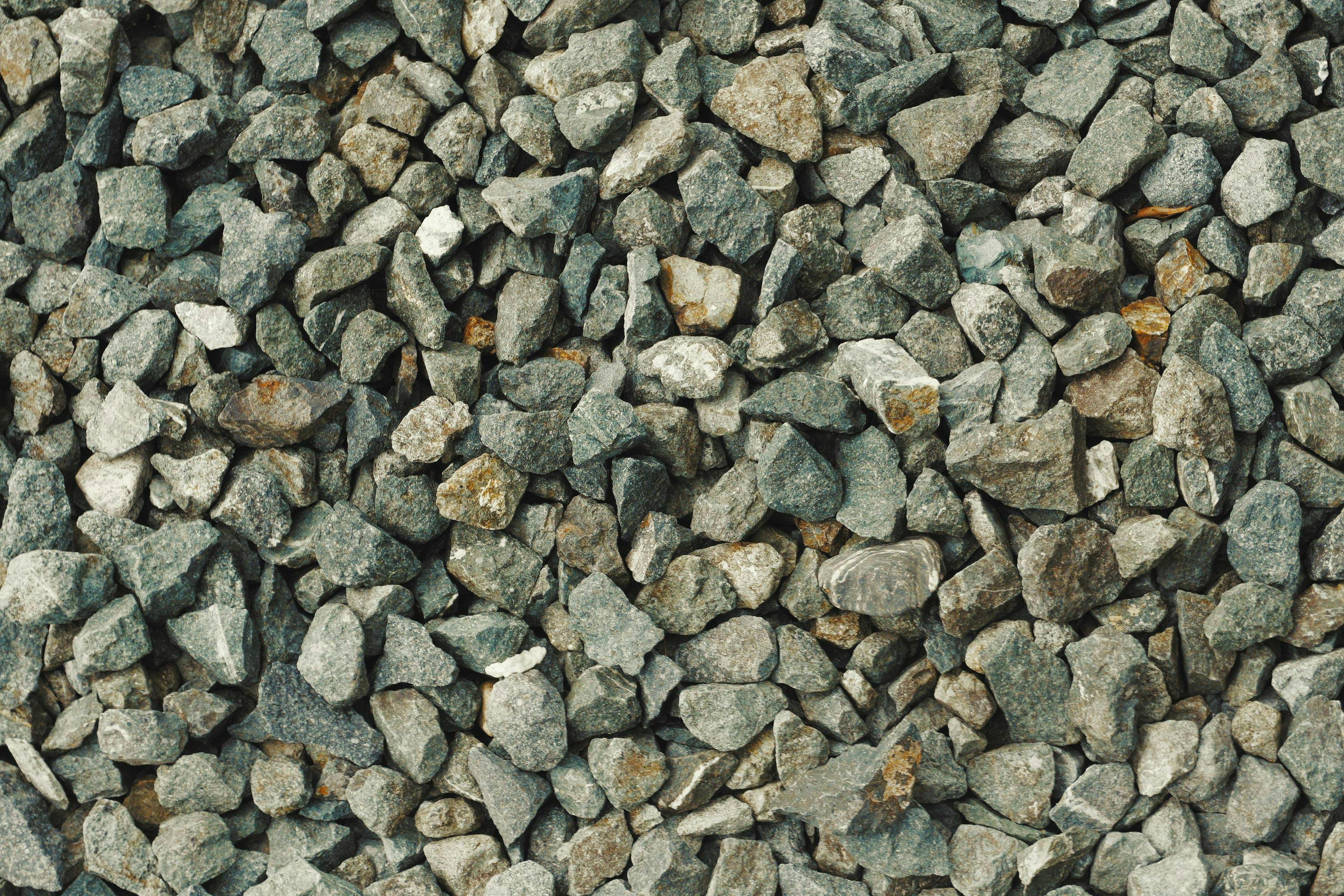
Type 1 is crushed limestone or granite graded to contain stones from dust right up to 40mm. When you compact it, the smaller bits fill the gaps between the larger stones and create a dense, stable layer that locks together.
Type 2 is less refined. It's usually crushed concrete, brick or stone