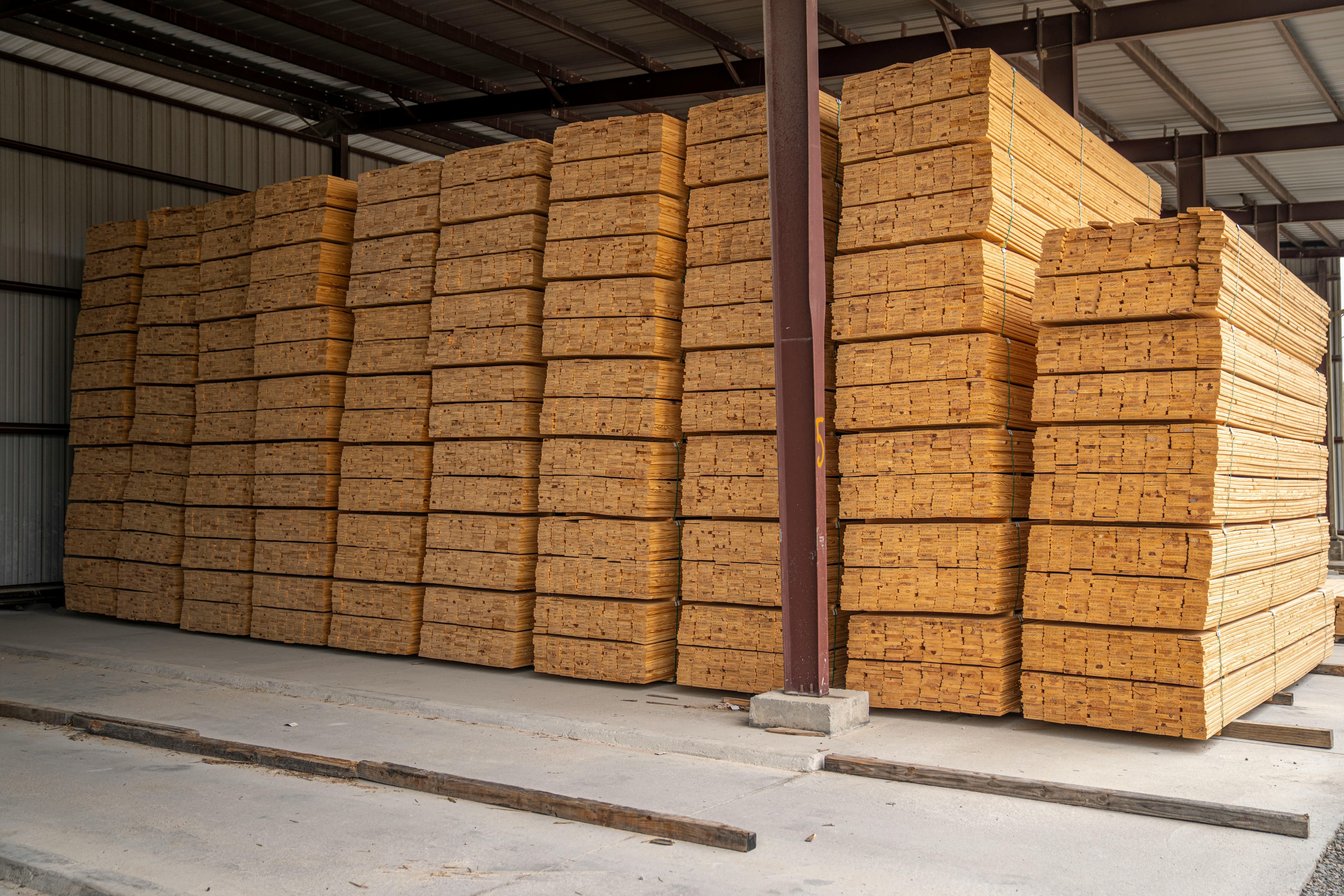
UC3 treated timber is wood that has been pressure-treated to withstand outdoor conditions above ground. The "UC" stands for Use Class, and this is a European grading system that defines how much protection timber needs based on where it's used. UC3 is the minimum treatment standard for any external application, including decking, fencing, cladding, and outdoor joinery.
Here at the Builders Supply, we know that understanding treated timber classes can be complex if you are new to them. That’s why we’ve broken them down for you.
The Use Class System Explained
The Use Class (UC) system runs from UC1 to UC5 and tells you exactly how much preservative treatment timber needs for the environment it’s being used in. Here's a full breakdown:
| Use Class | Environment | Risk of Wetting | Typical Applications |
| UC1 | Interior, dry | None | Internal joinery, furniture, and flooring |
| UC2 | Interior, risk of wetting | Occasional | Roof timbers, internal structural use |
| UC3 | Exterior, above ground | Frequent | Decking, fencing, cladding, and garden joinery |
| UC4 | Exterior, ground contact | Permanent | Fence posts, sleepers, and structural posts |
| UC5 | Salt water / marine | Continuos | Jetties, harbour structures, and marine piling |
Think of it this way: as the scale moves up, there is a higher preservative level treatment and a longer service life in tough conditions.
UC3 in Depth and What It Means for Your Project
UC3 covers timber that is used above ground outside, anywhere that it will be exposed to rain and moisture, but won’t be sitting in soil or standing water.
There are two sub-categories underneath the wider UC3 umbrella:
UC3a: Exterior and above ground that’s not exposed to prolonged wetting (e.g. covering cladding)
UC3b: Exterior, above ground, exposed to prolonged wetting like decking.
The latter is the relevant standard for most outdoor DIY and construction projects. Putting up fencing, building a deck, or fitting external cladding? UC3b is the minimum treatment to specify.
If you go for UC1 or UC2, this will really shorten the timber’s lifespan, as they are under-treated timber options. Without adequate protection, timber exposed to moisture will begin to rot, often within just a few years when used in Scottish climates with adverse weather.
What about CLS Timber, and is it classed as UC3?
CLS stands for Canadian Lumber Standard timber; it’s a popular choice for stud work and internal framing, and construction workers and DIYers often find that it’s sold pre-treated.
However, CLS is typically treated to UC2, using a light vac-vac (vacuum-vacuum) or light pressure treatment process.
That makes CLS perfectly suitable for interior structural use, but not a good option for external applications. If you're planning an outdoor project, don't assume that "treated" automatically means UC3. Always check the treatment class before you buy.
Order UC3 Treated Timber at The Builders Supply Company
We hope you now have a clearer understanding of timber treatment classes and the importance of treated timber in Scottish weather conditions.
The Builders Supply stocks a range of treated timber for external use, whether that’s for decking a garden, fencing boundaries, or cladding outbuildings.
FAQs
Does decking need to be UC3 treated?
Yes. Decking is directly exposed to rain, moisture, and temperature changes year-round, which means it needs a minimum of UC3b treatment.
Using lower-grade treated or untreated timber for decking will significantly shorten its lifespan and could create a safety risk as the wood deteriorates.
What is the difference between UC3 and UC4 timber?
The key difference is ground contact. UC3 is for timber used outdoors but above ground, while UC4 is for timber that will be in direct contact with soil or fresh water like fence posts or structural ground supports. UC4 timber receives a higher concentration of preservative to cope with the constant moisture exposure underground.
Is tanalised timber UC3 or UC4?
Tanalised timber can be produced to either UC3 or UC4, depending on the level of treatment applied. Always check the product specification. A green colour generally indicates UC3 or UC4 treatment, but the use class should be confirmed before purchase.