
If you've ever started a driveway, patio or hardcore base project in Scotland, you may have been told you need Type 1 or Type 2 aggregate. But what actually makes them different, and which one do you need?
Getting the right aggregate is vital. Using the wrong type could lead to drainage problems, an unstable base, or a surface that shifts after the first hard frost. Around the central belt, where the ground holds water and there are plenty of freeze thaw cycles, picking the right material can save you a lot of hassle.
Here's what these aggregates are and when you should use each one.
What Are the Differences Between Type 1 and Type 2 Aggregate?
The main difference is size and how well they compact.
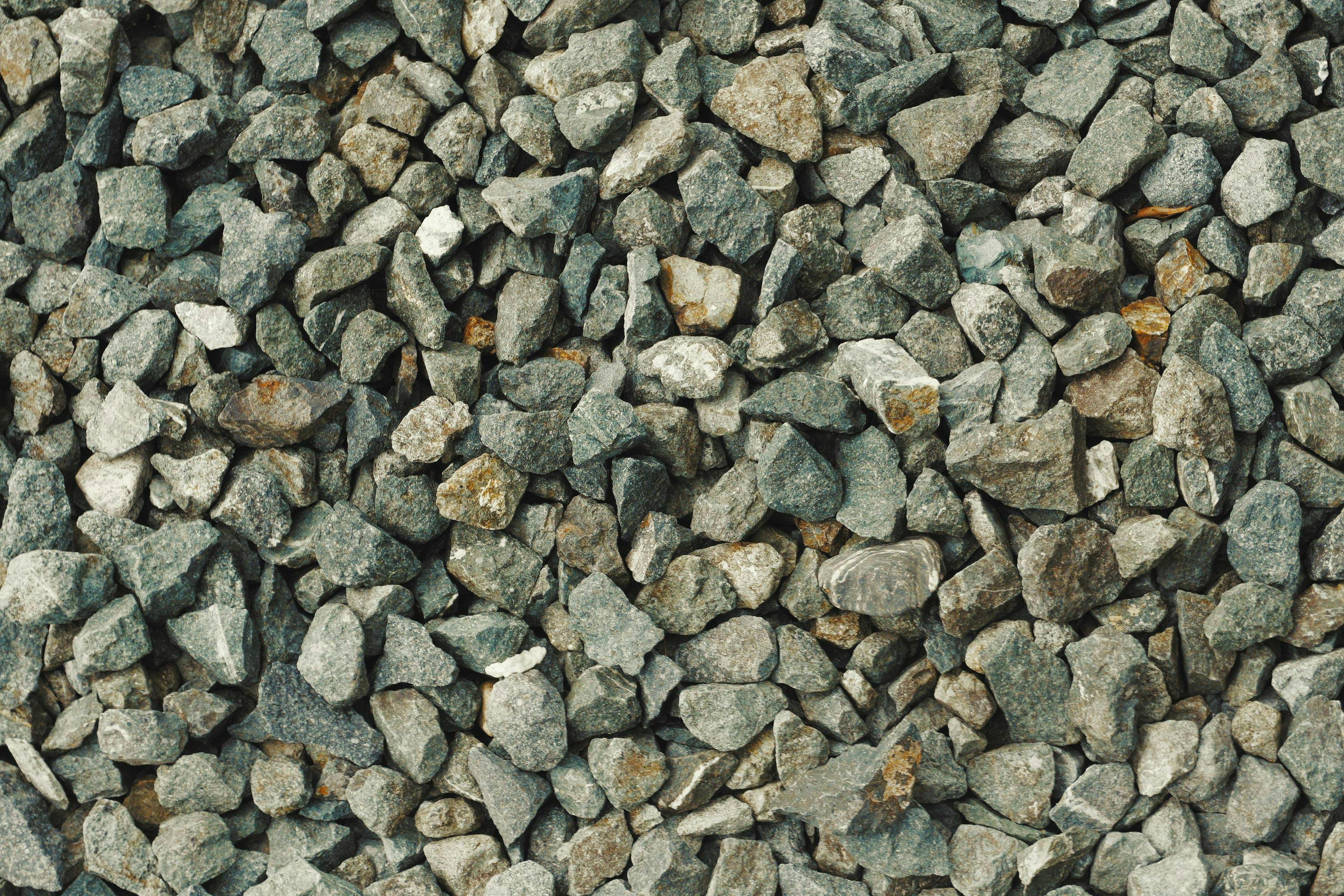
Type 1 is crushed limestone or granite graded to contain stones from dust right up to 40mm. When you compact it, the smaller bits fill the gaps between the larger stones and create a dense, stable layer that locks together.
Type 2 is less refined. It's usually crushed concrete, brick or stone with a wider range of particle sizes, sometimes up to 63mm. The grading isn't as controlled, so it doesn't compact quite as tightly. You'll sometimes hear it called MOT Type 2 (Ministry of Transport Type 2).
In practical terms, Type 1 creates a harder, more uniform surface when compacted. Type 2 is rougher, bulkier and works better for jobs where you don't need absolute precision.
What is Type 1 Aggregate Used For?
Type 1 is what you want for anything that needs proper structural support.
You'll use it as a sub base for driveways, particularly if you're going to be driving heavier vehicles over it regularly. It's also the standard choice underneath block paving, tarmac and concrete because it gives you a stable, level foundation that won't shift or settle unevenly over time.
In Scotland's wetter climate, Type 1 handles drainage pretty well too. The graded particles let water pass through rather than sitting on the surface, which helps stop frost damage during winter.
For building materials and aggregate projects where you need something that'll last, Type 1 is worth spending a bit extra on.
What is Type 2 Aggregate Used For?
Type 2 works well for jobs where you need bulk and stability but not engineering grade precision.
It's often used as a fill material for raising ground levels, filling large voids or creating rough access tracks on building sites. If you're laying a base for a garden shed, greenhouse or temporary structure, Type 2 will do the job without costing you more than necessary.
You'll also see it used underneath decorative gravel areas, as a base for artificial grass installations, or for backfilling around drainage pipes.
Because it's often made from recycled construction waste, Type 2 tends to be cheaper than Type 1, which makes it a sensible option for larger landscaping jobs where you need volume.
What is the Difference Between Type 1 and Type 2 Gravel?
Neither Type 1 nor Type 2 is actually gravel in the decorative sense, though people sometimes get them mixed up.
Type 1 is angular, crushed stone with sharp edges that lock together when you compact it. Type 2 is also crushed material, often recycled stuff, with a rougher texture and less uniform sizing. Both are hardcore aggregates designed for structural use, not finishing layers.
Gravel usually refers to decorative stones like pea gravel, rock salt, grano dust or tarmac chippings that sit on top of a compacted base. These are rounded, look better and come in different colours, but they don't compact well on their own and need something solid underneath.
Do I Need Type 1 Under Gravel?
Yes, in most cases you definitely do.
Laying gravel straight onto soil isn’t the right approach. It'll mix with the dirt, sink in patches and turn into an uneven, muddy mess, especially after heavy rain.
A properly compacted layer of Type 1 gives your gravel a stable base that stops it sinking, keeps weeds from pushing through and sorts out drainage.
If it's just a small decorative border or a path that doesn't get much use, you might get away with sand, gravel or MOT ballast as a lighter base, but for anything that takes regular foot traffic or vehicle weight, Type 1 is the right way to do it.
Looking for Aggregate Advice?
We hope this has given you a clearer picture of the differences between type 1 and type 2 aggregates. If you'd like to know more, pop into your local Builders Supply branch and our team will be happy to point you in the right direction.