

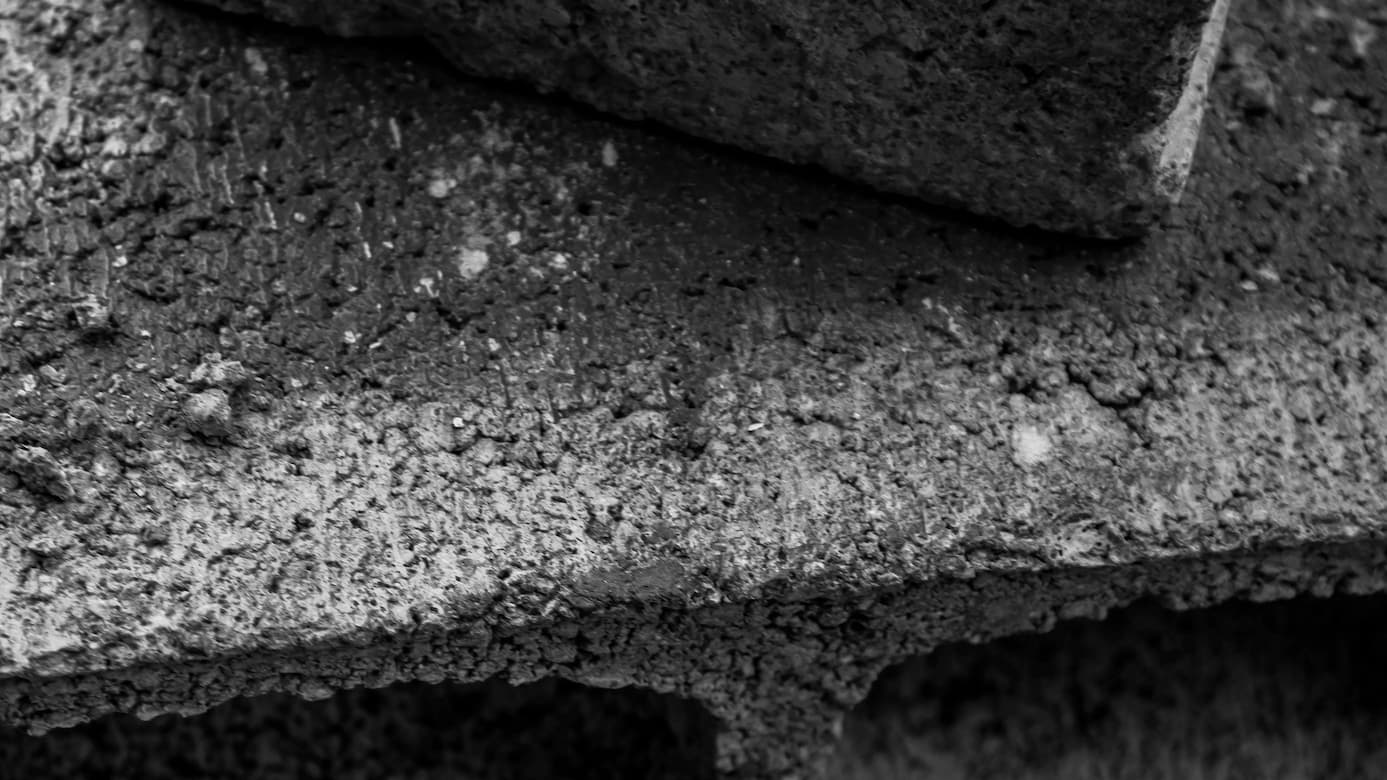
In these parts, the weather can be harsh during the colder months, and that means you need landscaping materials that stand up to the elements.
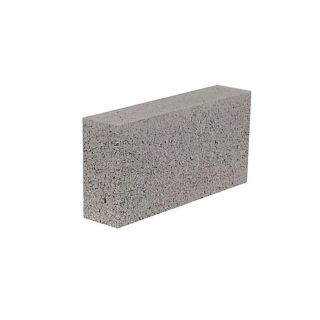
What we’re talking about here specifically are dense concrete blocks, which can be really handy when planning a retaining wall, garden boundary, outbuilding, or foundation. They are relied on by landscapers across Scotland, and for good reason.
Why Dense Concrete Blocks?
They may not be glamorous, but dense concrete blocks function brilliantly, made from heavy cement units, sand, and aggregates.
When you’re working in Scottish climates, the lower water absorption rate is vital, and unlike your lightweight or aerated blocks, these resist moisture, which limits the chance of frost damage when temperatures drop.
They're also exceptionally strong under load, making them the go-to for foundations, retaining walls, and any structure that needs to handle real pressure. They provide good sound insulation and, importantly, they're fire resistant. For agricultural buildings, garages, or outbuildings, the mix of strength and safety is why dense blocks shine.
When to Use Dense Concrete Blocks
Dense blocks are not the best option all the time, as they’re heavy and not the easiest to work with on large projects. They aren’t designed for thermal efficiency on their own, but they are the right option for various others.
They’re ideal for boundary and retaining walls where strength and weather resistance matter most, and suitable for base courses for garden walls where damp rising from the ground would compromise lighter materials.
Dense blocks are also used for outbuildings, store rooms, workshops, and other structural or load-bearing applications.
For internal walls or projects where insulation is the priority, lightweight or aerated blocks make more sense. Essentially, dense blocks are used for strength and resilience.
What You'll Need
Get the materials and tools together from the off; this includes the dense concrete blocks, mortar mix, a pointing trowel, a spirit level, string line and pins, a rubber mallet, a tape measure, a bolster chisel, and a club hammer.
Other essential items are gloves, goggles, and a dust mask.
Step-by-Step: Laying Dense Concrete Blocks
Prepare Your Foundation
Too often, DIYers rush the preparation, which really does need to be given adequate thought and time.
Clear the ground, dig down past any topsoil and soft layers, and pour a concrete strip footing. In Scotland, ground frost can reach reasonable depths, so don't skimp here. Your footing should be at least twice the width of your blocks and given a full 48 hours to cure before you build on it.
Set Your String Line
Fix a string line along the intended face of your wall. This is your guide throughout the entire build. Take your time getting it perfectly level and straight. Everything else follows from this line.
Mix Your Mortar
Mix one part cement to three parts sharp sand, adding water gradually until you reach a firm but workable consistency.
Press it with a trowel and make sure it holds its shape and doesn’t crumble. In cold weather, steer clear of laying any mortar when temperatures are close to freezing or below; this is key as frost kills fresh mortar, meaning you’d be doing the same job within a few months.
Lay the First Course
Apply a mortar bed roughly 10mm thick along your footing and place your first block at a corner. Press it firmly, check its level in both directions, and tap it into position with your rubber mallet. Work along the line, buttering the vertical face of each block before placing the next. Check the level constantly.
Build Up the Courses
Each subsequent course should be staggered so vertical joints never line up, which is what gives the wall its strength. Apply mortar to the top of the previous course, press each block down firmly and keep checking your spirit level. Clean off excess mortar with your trowel as you go.
Finish and Protect
Once the wall is up, allow the mortar to cure for at least 24 hours before loading or stressing it. Point any gaps with fresh mortar and, for exposed Scottish conditions, consider a quality masonry sealant to help shed the inevitable rainfall.
Take your time with the groundwork, keep your levels true and your mortar consistent, and dense concrete blocks will give you a structure that shrugs off whatever the Scottish climate throws at it for decades to come.
Finding Dense Concrete Blocks for Projects in Scotland
Dense blocks for landscaping jobs are available right here at The Builders Supply. Explore our range online, or call us to chat through your specific job.