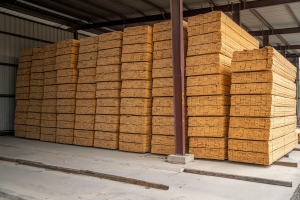
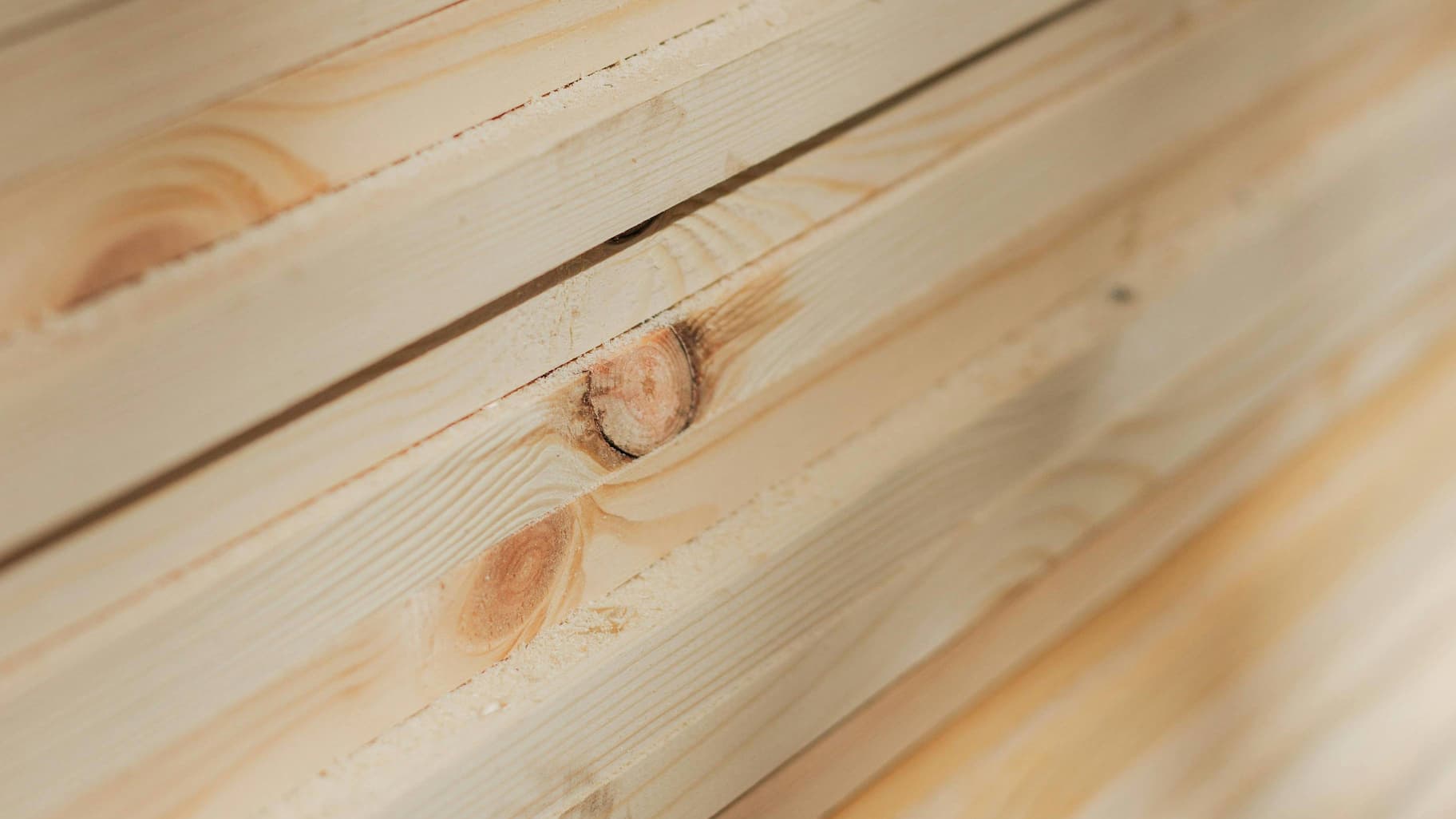
It’s very easy to look at regularised and carcassing timber at a glance and not see much of a difference.
However, there is a reason they are categorised as two different forms of timber. Many wonder which is best for their requirements, and the answer comes down to an array of factors, which we’ve covered in more depth below.
What Is Carcassing Timber?
Carcassing timber is sawn structural softwood, most commonly European Spruce or Scots Pine. It's cut from the log and sold with relatively little processing beyond basic drying. The result is timber that's strong and fit for structural use but not particularly uniform in size. The rough edges, slight bowing, and variation in width and depth are all par for the course.
It's the workhorse of the timber world. You'll find carcassing timber used in roof joists, floor joists, studwork, and general structural framing. If it's going to be hidden behind plasterboard or above a ceiling, carcassing timber is often the sensible, affordable choice.
What Is Regularised Timber?
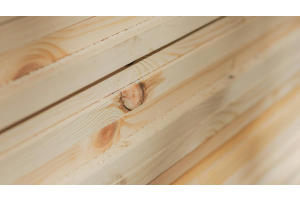
Regularised timber is essentially carcassing timber that's been taken a step further. After the initial sawn process, the timber is passed through a machine that planes it to a consistent, uniform size. Regularised timber is commonly kiln dried and treated, which also helps with moisture content, stability, and long-term durability in varying conditions. The width and depth are controlled tightly, so every length you buy will be the same dimensions.
This consistency makes a big difference on site. When you're building a stud wall or laying out a floor frame, having timber that doesn't vary in depth means your surfaces sit flush, and your fixings line up properly. It saves time, reduces waste, and produces a tidier result.
Regularised timber is most commonly kiln dried and treated before it reaches you, which also helps with moisture content and longevity. It's the preferred choice for most modern timber frame construction.
Key Differences Between Regularised and Carcassing Timber
Here's a clear breakdown of how the two compare across the things that matter most:
Factor | Carcassing Timber | Regularised Timber |
Price (4x2) | Lower cost | Slightly higher |
Appearance | Rough sawn, variable edges, inconsistent width | Clean, smooth edges, consistent all round |
Dimensional Accuracy | Can vary between lengths, nominal sizes only | Tightly controlled to consistent depth and width |
Moisture Content | Often greener | Typically kiln dried |
Typical Uses | Basic structural work, joists, rough framing | Studwork, timber frames, joists where accuracy matters |
Treatment | Available treated or untreated | Usually pre-treated against rot and insects |
Lifespan | Treated outdoors 15-40 years | Treated outdoors 15-40 years |
Maintenance | Low if installed correctly in a dry environment | Low, as the stable dimensions reduce movement over time |
Ease of use on site | Can require more adjustment and cutting to fit | Faster to work with, as sizes are predictable |
Should I Go for Carcassing Timber or Regularised?
This depends on the job and how key consistency is to you; for basic structural work where timber won’t be visible, carcassing timber is perfectly capable and more affordable.
If you're building stud walls, timber frame partitions, or any structure where your timber needs to line up accurately, regularised is the better call. The extra cost is usually modest, and the time you save on site cutting and shimming to compensate for inconsistent sizes tends to more than make up for it. Most professional builders and contractors default to regularised timber for exactly this reason.
For anything that will be structurally exposed or where you need clean, plumb lines, regularised timber gives you a much better foundation to work from.
A Quick Word on Treatment
Whichever type you choose, pay attention to whether it's been pressure treated. Both carcassing and regularised timber are available in treated and untreated versions. For anything that might be exposed to moisture, ground contact, or the outdoors, treated timber is essential.
For internal and dry applications, it’s still worth using treated timber where possible, but it isn’t quite as key as for external jobs.
Ordering Reliable Timber Materials in Glasgow and Edinburgh
If you’re looking for reliable timber and based in Glasgow or Edinburgh, look no further than The Builders Supply Company.
Buy online or get in touch with the team here if you have any questions.